

This class is designed to provide participants with a foundational and practical understanding of the MITRE ATT&CK Framework and its application within their cybersecurity posture. During the first half of the day, participants will learn how to utilize the framework to map their existing security controls, uncover visibility gaps, and identify relevant adversarial techniques that may be leveraged against critical infrastructure. Emphasis will be placed on how to align the framework with operational environments typical of electric cooperatives, enabling teams to prioritize threats and better understand attacker behavior within their specific threat landscape.
In the second half of the day, the course will shift to actionable implementation of security controls with a focus on high-value and sensitive assets, including SCADA systems, OT/IT interconnects, and network monitoring infrastructure. Participants will explore effective strategies for log collection, enrichment, and correlation to enhance detection capabilities around operational systems. Topics will include best practices for deploying security controls tailored to critical environments, real-world detection use cases, and building defensible monitoring baselines to improve threat response and situational awareness within the cooperative’s network.
Josh brings over 15 years of expertise in Information Technology to the team, with a skill set enriched by experiences in both the private and public sectors. His understanding of Information Security is sharpened by a significant portion of his career in higher education and healthcare, two sectors known for their complex security needs. Having attained a master’s degree in information security and assurance, Josh also holds over 30 industry certifications that make him a versatile asset in the rapidly evolving field of cybersecurity.
Josh is driven by the conviction that effective security is an ongoing process that requires both technical acumen and a deep understanding of the industries served. His training and cross-sector experience allow him to bring unique perspectives to the table, enabling him to craft security solutions that meet specific institutional needs. With his unwavering commitment to improving his own skills and those of his team, Josh personifies the blend of theoretical and practical expertise that is essential in today’s myriad of security challenges.
This full-day pre-conference training offers a comprehensive review of the National Electrical Safety Code (NESC), providing participants with an in-depth understanding of the Code’s structure, recent updates, and practical applications. The session begins with an overview of the NESC layout and key definitions, including grounding changes, before moving into detailed explorations of specific parts of the Code. Attendees will examine standards related to electric supply stations, overhead and communication lines, and underground lines, followed by work rules critical to safe utility operations. The training combines structured instruction with opportunities for questions and discussion, concluding with an open roundtable where participants can engage on any NESC-related topic. Whether you are new to the Code or looking for a refresher, this session will equip you with the knowledge and insights needed to navigate and apply the NESC effectively in your day-to-day work.
Brent McKinney, P.E., has worked for 37 years in various positions in the electric utility industry. He received a bachelor’s degree in electrical engineering and master’s degrees in electrical engineering and engineering management from the Missouri University of Science and Technology in Rolla, Missouri, He began his career in 1986 as an engineering as Laclede Electric Cooperative. Over his Five-year career at the cooperative, He designed several hundred miles of distribution extensions and relocations. As the Director of Engineering, he was responsible for all aspects of electric line engineering for the cooperative.
In 1991, Mckinney became an engineer at City Utilities of Springfield, Missouri In that position, he designed a significant number of transmission, distribution and fiber optic extensions and relocations. In 1992, he was promoted to senior engineer and assumed supervisory responsibility for all electric line transmission and distribution, taking full responsibility for all aspects of the electric system other than generation. He remained in this position until his retirement in 2020. Mckinney has been highly active with the American Public Power Association (APPA), serving as chair of virtually every APPA committee and assisting in the development of the Reliable Public Power Provider (RP3) program. He has been equally active with the Missouri Public Utility Alliance , Over the past 25 year, he has worked extensively with the National Electric Safety Code (NESC) published by the institute of Electrical and Electronics Engineers Standards Association and is currently Chairman of NESC OSHA. He is also on of the primary authors of the IEEE NESC Handbook , he has taught NESC courses throughout the United States and internationally.
As Vice President and CIO, Nate is responsible for leading the strategy, development and implementation of information technology initiatives and systems that align and advance Dairyland’s business/operations strategies.
Nate has a Bachelor of Science in Information Systems from the University of Wisconsin-La Crosse, a Master of Business Administration with an emphasis in Technology and Training from the University of Wisconsin-Whitewater, and a Ph.D. in Information Systems from Nova Southeastern University, specializing in Information Security and Telecommunications. He also earned a Certificate of Management Excellence from Harvard Business School and completed the Tuck School of Business at Dartmouth’s Business Engagement for the Security Professional (BESP) executive program. In 2024, Nate earned the Wisconsin CIO of the Year ORBIE award in the Large Corporate category.
An active member of his community, Nate is Fire Chief of the Town of Campbell Fire Department and serves on the Board of Directors of the Wisconsin State Fire Chiefs Association. He is a recipient of the University of Wisconsin-La Crosse’s Rada Distinguished Alumni Award.
Prior to joining Dairyland, he led Information Security for Ingersoll Rand in La Crosse, Wis. He also held other positions in Global Telecommunications Engineering and Architecture, Data Communications and Information Technology for Trane and American Standard Companies.
Dairyland Power Cooperative’s CIO, Nate Melby, will provide an overview of Dairyland’s VoltWrite AI journey- from early pilots to production-scale solutions that are reshaping how energy cooperatives can operate. Dr. Melby will share purposeful uses of AI that are breaking new ground in improving reliability, asset maintenance, “winning back time”, and workflows, while unpacking the practical applications of AI for cooperatives. We’ll talk about innovation, and the practical steps toward safe and effective use of AI.
Get ready for a hands-on, fast-paced way to sharpen your cybersecurity skills! Developed by Black Hills Information Security and Active Countermeasures, Backdoors & Breaches is an interactive card game designed to teach real-world incident response tactics, tools, and methods. With 52 unique cards, participants will work through tabletop exercises that mirror real attack scenarios—learning to detect, respond, and adapt just like they would in the field. Whether you’re training your team, or just looking to test your skills in a fun and collaborative environment, this session delivers practical lessons wrapped in serious fun.
Shira has work at NinStar for over 15 years, starting as a Network Engineer and is currently working as the Director of Security Services. Prior to working in the cooperative space, she was a digital forensic analyst for a global accounting firm.
She earned her Master’s in Digital Forensics from Purdue University and her Cyber Defense Operations and Industrial Control Systems Security graduate certificates from SANS.
Shira currently holds the following certifications: GCIA, GMON, GCWN, GDSA, GICSP, GCIP, GRID, GCDA.
Artificial intelligence is rapidly reshaping the energy landscape, creating both new opportunities and urgent challenges. This session explores AI’s value propositions, and the intentional design needed to integrate it effectively. We will examine where AI is today, where it may be headed, and the often-overlooked places it is already embedded in our systems. Participants will gain an umbrella perspective on AI’s expanding role while ensuring security, reliability, and intentionality across the cooperative grid.

Matt is A veteran of utility and manufacturing cybersecurity, he co-founded CYBATI (CybatiWorks™ ICS/SCADA training), Dragos Security (co-developer of CyberLens™), and Encari, a NERC CIP consultancy serving the U.S. and Canadian grid. He now is helping entities safely leverage artificial intelligence and large language models (LLMs) to improve security workflows—multimodal architectural analysis, alert triage, applied education, playbooks, cyber-physical weaknesses prioritization, and vendor-advisory parsing.
Verkada’s camera solution addresses specific physical security challenges faced by electric utilities and cooperatives through its intelligent and easy-to-manage features. Their on-camera AI efficiently detects activity, reducing cloud streaming of raw video for sensitive sites like substations. Verkada’s hybrid cloud architecture keeps raw footage local while allowing cloud access, crucial for critical infrastructure control. Secure access with granular permissions and two-step verification ensures authorized viewing and management. Controlled sharing features enable secure data distribution to partners like law enforcement for incidents such as copper theft or arc flash investigations while providing real time alerts. This enhances monitoring, identification, and simplifies management for safer operations and communities.

Jarrod specializes in advanced physical security solutions to address the operational, safety, and compliance challenges faced by critical infrastructure, including electric cooperatives and utility providers. With expertise in both hardware and software, Jarrod serves as a trusted advisor to organizations seeking to optimize their security posture.
This session will provide an overview of the NRECA Threat Analysis Center and an update on its status within NRECA’s broader cybersecurity programming and services. Meredith will cover the specific workflows and features that might be of most use to the cooperative community and answer any questions about its functionality and roadmap. The NRECA Threat Analysis Center (TAC) is a service offering built on top of a commercial off-the-shelf technology platform in response to the most common challenges the NRECA BTS Cybersecurity team heard from the cooperative cybersecurity community, including alert fatigue, constrained resources and personnel, and growing reporting burdens. TAC provides solutions to these problems by offering dedicated personnel and industry data feeds, a modern alert inbox interface and mobile app with customizable notification settings, and automated bidirectional intelligence sharing with the broader cybersecurity community.
Meredith Miller is a Principal Data Scientist and the Threat Analysis Center program lead at NRECA. She works on projects focused on cybersecurity threats, grid resilience, data communications, and data modeling and management. Prior to joining NRECA, Meredith worked for over 10 years in the transportation industry on projects including signal processing, root cause analysis, vehicle arrival predictions, and passenger movement inference. She has experience in data engineering, data science, and data-centric product development, with an emphasis on using industry standards to overcome data silos. Meredith has a M.S. in Applied Mathematics and Statistics from Georgetown University and a B.S. in Mechanical Engineering from the University of Michigan.
Discover how bold vision meets practical execution in the journey to connect rural communities. This session shares real-world insights from the front lines of broadband deployment in rural communities —highlighting the challenges, breakthroughs, and lessons learned by Kosciusko REMC driving connectivity in underserved areas.

Curt Barkey is a seasoned operations executive and currently serves as Vice President of Technology & Broadband at Kosciusko REMC and Kosciusko Connect in Warsaw, Indiana. With over 17 years of experience in the broadband and technology sectors, Curt is known for driving innovation, optimizing systems, and delivering measurable business impact. He has led transformative initiatives, including the launch of new broadband services, securing multimillion-dollar grants, and implementing cutting-edge technologies.
Curt’s leadership style blends deep data analysis with collaborative team building, enabling him to solve complex business challenges and exceed customer expectations. His expertise spans strategic planning, network design, cloud services, and startup operations. Curt also plays an active role in industry leadership and community engagement, having served as President of the Indiana Electric Cooperatives IT Section Group and sits on several Calix Advisory Boards
He holds a Bachelor of Science in Information Technology from the University of Indianapolis and has completed multiple executive education programs at the Michigan Ross School of Business.
Claude Wilson serves as IT Manager for Norris Electric, where he has transformed the organization’s technological infrastructure from the ground up. With 20 years of IT experience, including previous work on the enterprise team of a large healthcare organization, Claude brings valuable perspective on scaling cybersecurity solutions for resource-constrained environments. He holds certifications including Certified SonicWall Security Administrator (CSSA), ITIL Foundations, SANS SEC 505, and SANS SEC566.
When Claude joined Norris Electric, the organization had no IT presence. Recognizing the critical importance of cybersecurity in the electric utility sector, he spearheaded the development of a comprehensive cybersecurity plan. Understanding the unique challenges facing small electric cooperatives, including limited budgets and staffing.
Claude strategically partnered with a Managed Security Services (MSS) provider to deliver enterprise-level protection without the overhead of maintaining an in-house security team.
Claude’s practical approach to cybersecurity implementation demonstrates how small electric cooperatives can effectively protect critical infrastructure while working within realistic resource constraints. His experience bridging the gap between enterprise-level security needs and cooperative-scale solutions makes him a valuable voice in discussions about cybersecurity evolution in the electric utility industry.
Shira has work at NineStar for over 15 years, starting as a Network Engineer and is currently working as the Director of Security Services. Prior to working in the cooperative space, she was a digital forensic analyst for a global accounting firm.
She earned her Master’s in Digital Forensics from Purdue University and her Cyber Defense Operations and Industrial Control Systems Security graduate certificates from SANS.
Shira currently holds the following certifications: GCIA, GMON, GCWN, GDSA, GICSP, GCIP, GRID, GCDA.
Discover best practices for implementing AI responsibly and effectively. This session covers topics including AI use policies, data preparation, implementation strategies, AI types and applications. We’ll also discuss examples to illustrate how utilities can leverage AI internally to support employees and provide better member service.
Steve Pascoe is an Electrical Engineer with over 25 years of experience delivering enterprise solutions to electric cooperatives and multi-service utilities. He has led initiatives in Smart Grid, AMI, Demand Response, and Meter Data Management, with a strong focus on engineering, system planning, and operational technologies. Steve specializes in aligning business processes with technical infrastructure to enhance reliability, efficiency, and member engagement for utilities.
The future of vegetation management (VM) is not just about trimming trees; it’s about making data-driven decisions that improve reliability and control costs. This session will outline how a modern VM program uses a technology stack to achieve measurable results. We will explore how AI-powered insights, integrated with a cooperative’s internal data, can transform a VM program from a reactive process into a proactive, strategic asset. Attendees will learn how to build a business case and quantify the financial and reliability (SAIDI/SAIFI) return on investment.

Phil is the Strategic Solutions Lead at Overstory and has over a decade of experience in UVM consulting and R&D. He holds a BS in Forestry and an MS in Business Analytics. Phil is a Certified arborist, utility specialist, TRAQ, and SAF forester, Phil also serves on the Right-of-Way Stewardship Council.
Utilities and REMCs face growing cybersecurity risks, but many already have powerful security tools built into their Microsoft 365 subscriptions that simply are not fully activated or aligned. This session will walk participants through how to “meet your organization where you are” by using the licensing you have today, then charting a path to stronger protection with smart upgrades. We will cover immediate wins like MFA, Conditional Access, and Defender for Office 365, as well as advanced capabilities such as Defender for Endpoint, Identity Protection, and Cloud App Security. Attendees will leave with a clear, license-by-license roadmap for maximizing value, plus practical strategies for monitoring, incident response, and ongoing security management. With a focus on real-world scenarios such as contractor access, shared kiosks, and field devices, this session provides a utility-focused playbook to make Microsoft 365 a foundation for resilience.
Tim Pritchett is the Vice President of Service Delivery at Matrix Integration, where he leads a multi-tiered engineering team focused on delivering innovative IT and cybersecurity solutions to clients across diverse industries. With more than 20 years of experience in technology leadership, Tim has built a proven track record in driving change management, strengthening data governance, and advancing cybersecurity practices.
Before joining Matrix Integration in 2022, Tim served as Director of Technology for Monroe County Community School Corporation, overseeing IT operations for 23 schools and more than 13,000 users. He holds multiple industry-recognized credentials, including CompTIA Security+, CompTIA CySA+, M365 Certified Expert Administrator, and ISACA Certified Information Security Manager (CISM).
Tim holds a Master’s degree from Indiana University and a technical certification in Cybersecurity & Information Assurance.
As developers plan large scale load prospects like data centers while looking to leverage existing or new solar generation, they run into a host of challenges related to metering and net aggregation.The ability to help alleviate these concerns through MISO approved pathways or virtual power plant facilitation is key to achieving project success. This session will present a “case study” approach to the topic and seek to provide clarity for coops looking to leverage these resources within their respective systems.
Sean serves the membership and board of directors while charting a strategic course for the future. Middleton received his bachelor’s degree in electrical engineering from Bradley University and his MBA from the University of Illinois at Springfield. He is a senior member of the IEEE including the Power, Communication, and Photonic Societies and the National Society of Professional Engineers (NSPE). Middleton previously sat on the Cyber Security member advisory group for the Cooperative Research Network (CRN/ NRECA). Middleton additionally serves on the State Board of Professional Engineers for the IL Department of Financial and Professional Regulation.
This session builds on NRECA’s webinar, “Mental Health in Cybersecurity: Balancing The Scales”, and explores the critical intersection of mental health and cybersecurity, focusing on the Copenhagen Burnout Inventory (CBI) as a tool to assess and address burnout among cybersecurity professionals. Attendees will learn actionable strategies to identify signs of burnout, understand its impact on performance and decision-making, and implement practical techniques for fostering resilience and mental well-being in high-pressure environments.
Patrick Kelley brings over 25 years of experience in cybersecurity, specializing in network forensics, ICS/OT security, and advanced threat detection. As the Founder and CEO of Léargas Security and Critical Path Security, Patrick leads innovation in AI-driven extended detection and response (XDR) solutions, helping organizations stay one step ahead of adversaries.
Patrick’s expertise has made him a sought-after keynote speaker and trainer for organizations like NERC, CISA, CRISP, and E-ISAC. He’s spoken alongside experts from the FBI, CIA, and NSA and serves as a cybersecurity commentator for NBC News. His research and insights have been featured in Fortune, CNN, The Guardian, Bleeping Computer, and Krebs on Security.
Off the stage, Patrick is a passionate advocate for child abuse prevention and has spent over 20 years leading initiatives to support emergency shelters.
Red teams find what others don’t — but the value is in the remediation. This session presents sanitized, non-actionable case studies from engagements with electric cooperatives and similar utilities to show common gaps in physical security, social engineering resilience, and system hardening. The presenter — a leader in red teaming with years of experience assessing utility environments — will translate observed attack paths into practical, business-focused risk reductions and executive priorities, illustrated with anonymized examples of past cooperative engagements, the attack surface they revealed, and the real impact those assessments had on organizational risk and readiness.

Rada is a Cyber Security Practitioner experienced within compliance in FFIEC, NIST, PCI-DSS, HIPAA, CCPA & GDPR frameworks with 15 years’ experience within Electricity, Oil & Gas, Manufacturing, Banking, Health and Government. Proven, respected and well-established professional with an understanding of the balance between Technology, Information Security and Compliance initiatives.
Rada graduated with a Master of Science in Cyber Security from EC-Council University. He currently holds a variety of Cyber Security Industry recognized certifications. Including,CISSP, CNDA, CEH, CHFI, ECSA, and CND.
With over a decade of experience in the cyber security sector, including extensive work with electric cooperatives, and five years in the education field, I have had the privilege of serving various sectors such as the U.S. Government, Military, Critical Infrastructure, Manufacturing, and Healthcare. My professional journey has also encompassed international collaborations with entities in the UK, Australia, Brazil, Europe, and the Hong Kong Police Department.
This session examines visual inspection techniques for electrical distribution systems, focusing on a comparative analysis of two substations inspected using distinct methods: one with drone technology and the other via a drive-by inspection. We will explore the advantages and disadvantages of each approach, highlighting their effectiveness, efficiency, and limitations. The session will conclude with a discussion on whether expanding the use of both methods could optimize inspection processes and enhance system reliability.
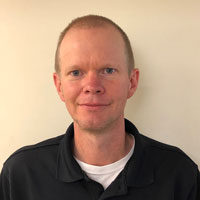
Tim has served at Norris Electric for 25 years, leveraging his expertise in electrical engineering to oversee critical infrastructure projects and enhance energy efficiency. Holding a Bachelor’s degree in Electrical Engineering from Southern Illinois University Carbondale (2000), Tim applies his Professional Engineer (P.E.), Certified Energy Manager (CEM), and Certified Energy Procurement Professional (CEP) credentials to drive innovative solutions in energy management and procurement. Passionate about sustainable energy, he is committed to delivering reliable and cost-effective services to the cooperative’s members.
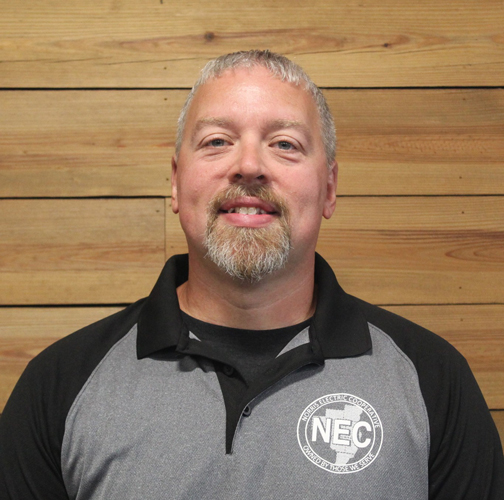
Part 107 Certified UAS/Drone Pilot.
With over 10 years in the electric distribution industry, and 9 plus years leveraging drone technology, Kelly focuses on integrating innovative tools into utility operations. At Norris Electric, he leads efforts to modernize field work—especially through drone-based pole inspections—improving safety, accuracy, and infrastructure reliability across the grid.
From file cabinets to the cloud, the rules around what you keep—and how long you keep it—are evolving faster than most organizations can track. Join our legal expert for a practical walk-through of today’s digital compliance challenges. We’ll cover the essentials of file retention requirements, expose common photocopyright scams that target unsuspecting organizations, and untangle the legal concerns of video surveillance systems that capture more than just images. Attendees will leave with actionable insights to protect their cooperative from costly mistakes and keep their practices on the right side of the law.
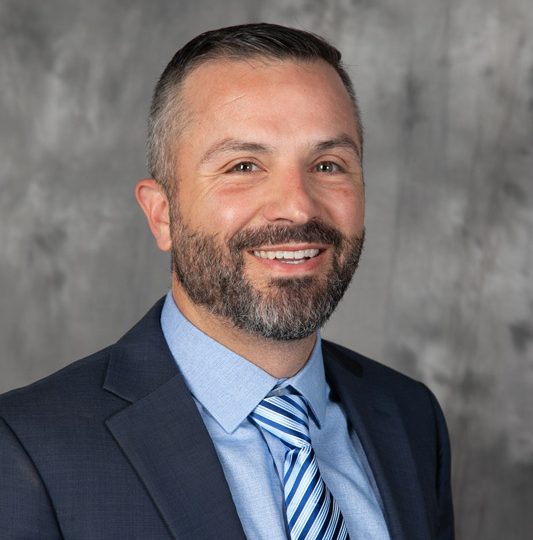
John Teefey is General Counsel for the Association of Illinois Electric Cooperatives (AIEC), advising on legal, regulatory, and governance matters for electric cooperatives across Illinois. A native of Mt. Sterling in west-central Illinois, he holds a B.S. from the University of Illinois at Urbana-Champaign and a J.D. from Southern Illinois University School of Law. He began his career as an Assistant Appellate Prosecutor with the Illinois State’s Attorneys Appellate Prosecutor’s Office and later served as legal counsel for several state agencies, including as General Counsel at the Illinois Department of Agriculture. Most recently, he was Chief of Staff at the Illinois Department of Natural Resources before joining AIEC in April 2025. John and his wife, Lindsey, live in Springfield with their five sons. Outside of work he enjoys the outdoors, attending concerts, watching sports, and — above all — spending time with his family.
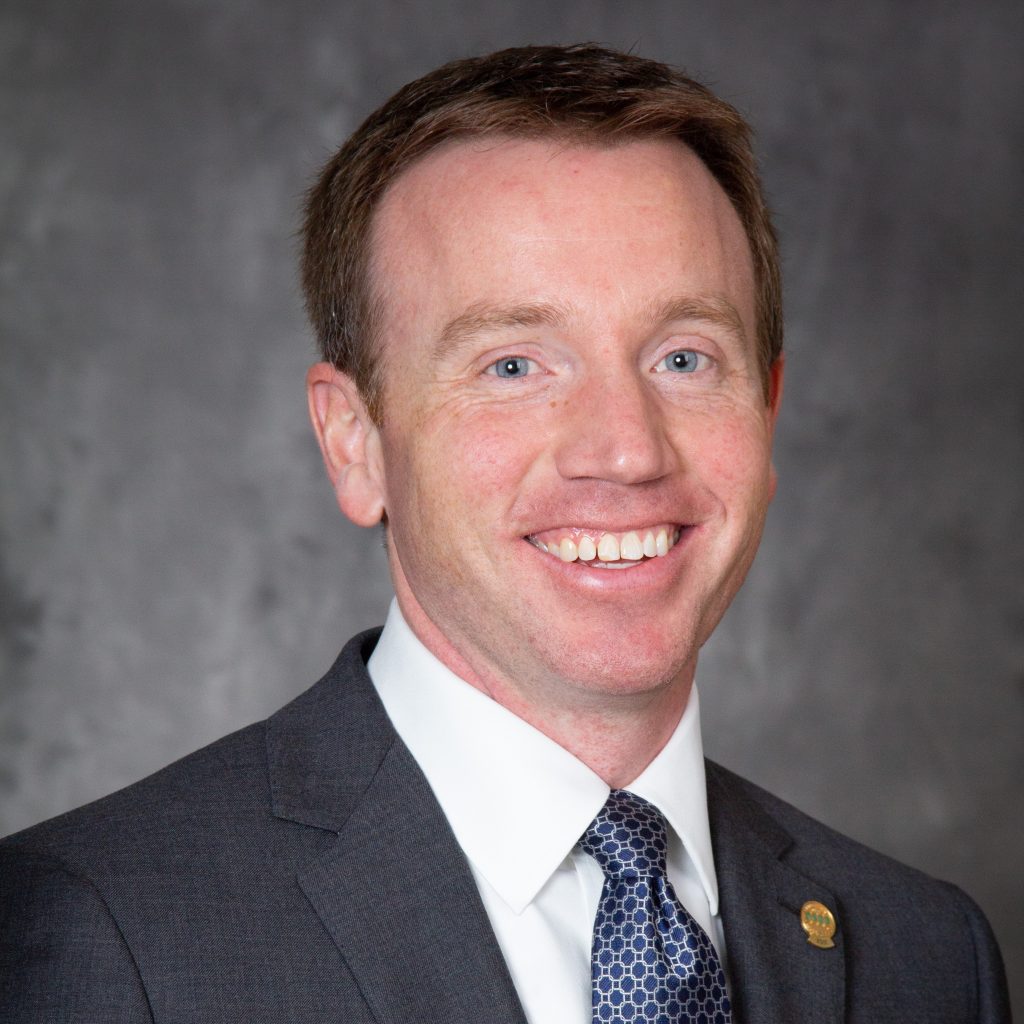
Nick Reitz is the Vice President of Government Relations for the Association of Illinois Electric Cooperatives (AIEC). Nick joined the AIEC in 2012 as Manager of Government Relations. Formerly, he served as Director of Legislative Affairs for the Illinois Department of Commerce and Economic Opportunity and Legislative Liaison for the Illinois Department of Agriculture. He received a B.A. from the University of Illinois at Urbana-Champaign. Fun fact, he was a Youth Day and Youth Tour participant in 1999 representing Egyptian Electric.
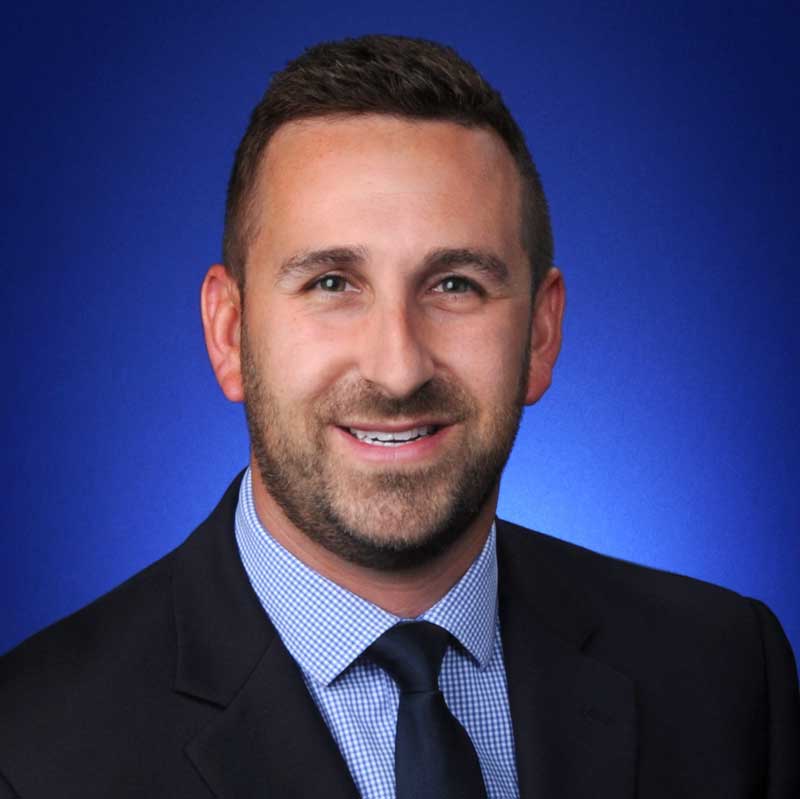
Ryan Heater is the vice president of government relations. In this role, he leads the association’s state and federal governmental relations efforts, which include lobbying, political action and grassroots initiatives.
He was most recently chief of staff of the Indiana Utility Regulatory Commission. He also served as the policy and legislative director in the Indiana Lieutenant Governor’s office for three lieutenant governors – Lt. Gov. Sue Ellspermann, Lt. Gov. Eric Holcomb and Lt. Gov. Suzanne Crouch. His professional background also includes positions in the Indiana Cable Telecommunications Association and the Indiana House of Representatives.
Ryan is a graduate of Purdue University and the Indiana University Robert H. McKinney School of Law. He also served six years in the Indiana Army National Guard.
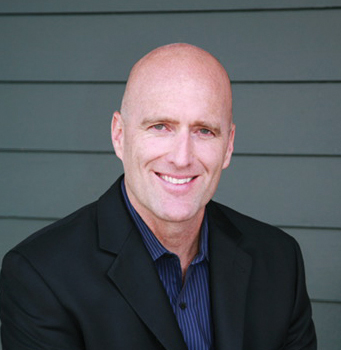
Craig Zablocki has encouraged and inspired thousands of people with his unique blend of humor and authenticity.
Described as a compelling combination of actor Robin Williams and PBS host Wayne Dyer, Craig is in the top two percent of America’s most recognized speakers. A nationally known speaker and consultant, Craig has spoken to more than 900,000 people internationally and in all 50 states. Rated as a top tier speaker, Craig has shared the platform with Vice President Al Gore, bestselling author Tom Peters and others. Microsoft, Disney, Chase, United Airlines, and the Mayo Clinic – his client list reads like an international Who’s Who.
Craig presents to Fortune 500 companies, legislators, public service and healthcare professionals, and to college campuses, non-profit service organizations, and victim rights groups. He has authored Improv 101: Unleash Your Creative Spirit, co-authored the book Humor Me and written many articles for major publications. Craig has appeared on countless radio and television programs, including National Public Radio.
His cutting-edge programs incorporate practical tools to loosen up, become more creative, and live in the moment. His audiences sit on the edge of their chairs, roll in the aisles with laughter, and leavethe event transformed.